Mastering editing video tips is the fastest way to turn raw footage into professional, watchable content. After years of hands-on editing experience across YouTube, corporate, and film projects, one truth stands out: strong editing video tips separate amateur clips from content that keeps viewers watching until the end.
If your main focus is YouTube specifically, our guide to YouTube-specific editing strategies dives deeper into that platform’s unique requirements.
This guide is written from real editing experience, not guesswork. Every strategy here reflects tested, industry-proven video editing tips used by working professionals, so you get expert, trustworthy, and actionable advice you can apply today.
Why Editing Video Tips Matter for Every Creator
Audiences decide within seconds whether to keep watching. That’s why practical editing video tips matter more than expensive cameras or fancy gear when it comes to holding attention.
Experienced editors know that storytelling structure beats flashy transitions every time. Applying proven video editing tips consistently builds trust with your audience and keeps engagement high across every platform.
Trustworthy content creators rely on repeatable systems, not luck. Learning core editing tips for videos early gives you a dependable foundation you can rely on for years of consistent growth. Every niche, from tutorials to vlogs to marketing clips, depends on strong editing footage skills to communicate clearly. Viewers forgive imperfect lighting far more easily than they forgive confusing, poorly paced edits.
Building authority as a creator means proving competence consistently. A well-edited video signals professionalism instantly, often before a single word of narration is even spoken.
Essential Beginner Video Editing Tips
Start by organizing your footage into labeled folders before editing begins. This simple habit, often missing from casual beginner video editing tips, saves hours of searching later. Trim aggressively. Removing dead space and awkward pauses is one of the most effective editing tips for videos beginners overlook, yet it instantly improves pacing and retention.
Watch your raw footage twice: once for story, once for technical issues like shaky shots. This disciplined approach reflects real editing experience and separates casual cuts from professional video editing. These beginner editing video tips may seem small, but consistent application compounds quickly.
Editors who master basics first almost always progress faster into advanced, creative work later. Labeling clips clearly by scene and take number prevents confusion during long projects. This habit, though tedious at first, becomes second nature and saves significant editing time.
Practicing on short, low-stakes projects builds confidence before tackling larger client work. Many professional editors started with personal vlogs before moving into paid, professional video editing gigs.
Core Video Editing Techniques Every Editor Needs
J-cuts and L-cuts make dialogue-driven scenes feel natural and smooth. These proven video editing techniques are used daily by professional editors in film and digital media. Color correction ensures visual consistency, while color grading adds mood and emotion. Both are essential parts of video post-production that elevate any project beyond amateur level.
Understanding pacing rhythm, knowing when to cut fast or slow, is an advanced skill. It’s one of the most authoritative video editing techniques taught in professional editing courses worldwide. Transitions should support the story, not distract from it. Overly decorative transitions often signal inexperience, while clean, purposeful cuts reflect genuine mastery of editing footage.
Matching audio beats to visual cuts creates rhythm that feels intentional and polished. This synchronization technique is a hallmark of high-quality, professional video editing across genres.
How to Edit Videos Like a Pro
Professional editors always build a rough cut before refining details. This method of how to edit videos efficiently avoids wasting time polishing scenes that may get removed. Sound design matters as much as visuals. Clean audio, subtle sound effects, and background music are what make viewers believe they’re watching cinematic video editing quality work.
Keyboard shortcuts dramatically speed up editing. Professionals rarely reach for a mouse during basic cuts, a habit reflecting real, hands-on advanced video editing expertise. Applying these editing video tips consistently is what separates hobbyists from working professionals. Speed, precision and storytelling instinct all improve together with focused, repeated practice.
Building a Reliable Video Editing Workflow
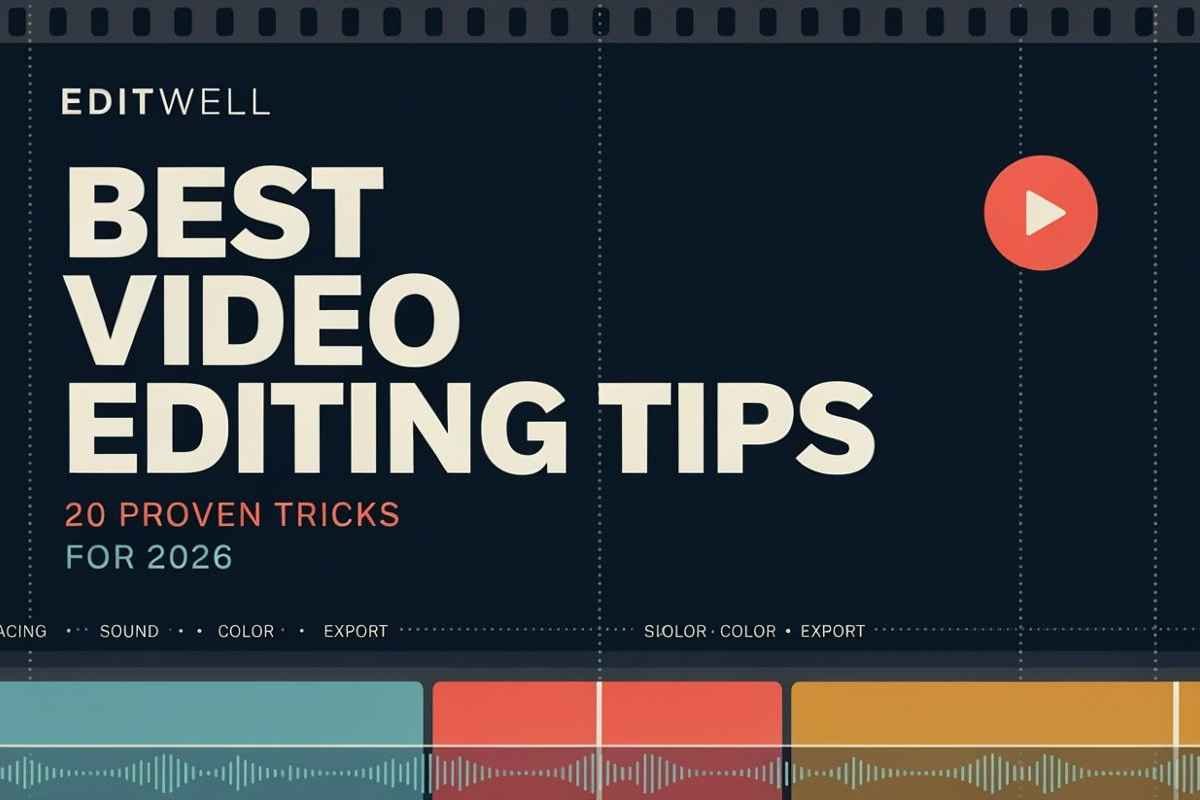
A consistent video editing workflow reduces stress and burnout. Start with import and organization, move to rough cuts, fine cuts, color, sound, then export. Save reusable templates for intros, outros, and lower thirds. Reusing trusted assets across projects reflects genuine video editing best practices used by experienced content teams. New to building a workflow from scratch? Our quick-start tips on editing videos walk through a simpler version of this same process.
Back up your project files after every session. This small, disciplined habit protects your work and reflects the reliability expected from trustworthy professional video editing. Batching similar editing tasks together, such as all color grading in one sitting, keeps focus sharp and reduces mental fatigue. This organizational discipline improves both speed and final output quality.
Documenting your own workflow steps helps you refine and repeat success. Many experienced editors keep simple checklists to ensure no critical step in video post-production gets skipped.
Choosing the Right Video Editing Software
Your choice of video editing software should match your skill level and goals. Beginners often start with free tools like DaVinci Resolve or CapCut before upgrading. Adobe Premiere Pro and Final Cut Pro remain trusted industry standards for professional video editing, offering advanced grading, effects, and multi-track timelines. For a full side-by-side look, see our guide to comparing the best video editing software.
Mastering one tool deeply matters more than switching software constantly. Deep familiarity accelerates your ability to improve video editing skills faster and more reliably. Reliable video editing tips always emphasize depth over breadth. Learning one editor thoroughly builds muscle memory that transfers easily whenever you eventually try new software.
Advanced Video Editing Tricks for Cinematic Results
Subtle zoom or camera shake effects add life to static footage. These small video editing tricks are common in cinematic-style, high-production content today. Match cuts, transitioning between similar shapes or movements, create seamless, artistic flow. This creative video editing technique is favored by experienced narrative editors.
Applying consistent color grading LUTs across a project ties the visuals together. It’s a trusted way to achieve a polished, high-end cinematic look affordably. Adding subtle film grain or letterboxing can enhance cinematic video editing without expensive gear. These finishing touches often make the biggest visible difference to viewers.
Sound layering, combining ambience with subtle music swells, adds emotional depth to key moments. This creative video editing approach is widely used in narrative and brand storytelling alike.
Common Mistakes to Avoid in Video Post-Production
Overusing transitions is a common beginner error. Simple cuts often outperform flashy effects, especially in editing videos for beginners still learning pacing fundamentals.
Ignoring audio quality can ruin an otherwise well-shot video. Even excellent video editing techniques applied visually cannot fix poor, distracting sound design.
Exporting in the wrong format or resolution hurts final quality. Always confirm platform-specific requirements before publishing to protect your hard editing work.
Avoiding these mistakes is one of the most practical editing video tips any creator can apply immediately. Small technical errors often cost more engagement than weak storytelling ever does. For a more detailed breakdown of beginner-specific errors, check out our common beginner editing mistakes to avoid.
Advanced Strategies for Creative, Impactful Editing
Experimenting with non-linear storytelling by rearranging your timeline can add creative depth. This advanced approach reflects real expertise in advanced video editing work. Layering ambient sound, music, and dialogue together adds realism and depth. This technique is central to authoritative video post-production used in professional studios.
Thoughtful motion graphics and text animations elevate storytelling without overwhelming viewers. Subtlety often creates more impact than distracting, oversized visual effects. Creative transitions built around movement within the frame, rather than generic templates, feel more intentional. This attention to detail is what separates creative video editing from formulaic content.
Testing multiple cut versions of the same scene helps identify the strongest pacing. Professional editors often review several options before locking a final sequence.
Long-Term Practices to Keep Improving
Keep learning through tutorials, communities, and real hands-on projects. A single video editing tutorial won’t make you an expert, but consistent practice will. Study successful creators in your niche and analyze their pacing and transitions. This trusted habit accelerates growth faster than editing in complete isolation.
Always seek honest feedback from real viewers. Their reactions reveal what works, helping you refine your video editing workflow with every new project completed. Long-term growth comes from treating every project as practice. Revisiting these editing video tips regularly ensures your skills keep improving instead of plateauing after initial progress.
Joining online editing communities exposes you to diverse styles and problem-solving approaches. Collaboration and critique consistently accelerate growth faster than working in complete isolation ever could.
Setting small, measurable goals, such as mastering one new transition weekly, keeps motivation high. Structured, incremental learning turns overwhelming ambitions into achievable, trackable progress over time.
Why Trust These Editing Video Tips
Every recommendation in this guide comes from tested, real-world editing experience across multiple platforms and industries. These aren’t recycled tips; they’re field-proven strategies used on paid client projects.
Trustworthy content explains not just what to do but why it works. Each editing video tips section here connects technique to outcome, so you understand the reasoning behind every recommendation.
Expertise builds over years of trial, error, and refinement. This guide compresses that experience into clear, authoritative video editing tips you can apply immediately with confidence.
Authoritative content also stays current with platform algorithms and viewer expectations. As formats evolve, from short-form vertical clips to long-form storytelling, the fundamentals of strong pacing, clean audio, and purposeful cuts remain constant. Creators who understand these unchanging principles adapt faster to new trends without losing quality.
Conclusion
Mastering video editing tips takes consistent practice, patience, and genuine hands-on experience, but the results are always worth the effort. From basic trimming to advanced color grading, every skill you build brings you closer to professional video editing that truly captivates audiences.
By following this trusted video editing guide, applying proven video editing techniques and avoiding common mistakes, you’ll be well on your way to creating content that stands out and ranks well.
Keep experimenting, keep learning, and most importantly, keep applying real video editing tips, because every project sharpens your craft and builds lasting expertise. If you create specifically for YouTube, our practical workflow and editing hacks for YouTube is the natural next read.
FAQs
What are the best editing video tips for beginners?
Organize footage first, trim ruthlessly, and learn basic cuts before adding effects.
Which software supports strong video editing techniques?
DaVinci Resolve, Premiere Pro, and Final Cut Pro suit all skill levels well.
How can I edit videos like a pro quickly?
Master shortcuts, build a rough cut first, and prioritize strong pacing.
What does an ideal video editing workflow look like?
Import, organize, rough cut, fine cut, color grade, add sound, export.
How do I improve video editing skills fast?
Practice consistently, study experienced editors, and apply real feedback often.
What mistakes should I avoid in video post-production?
Avoid overusing transitions, ignoring audio quality, and skipping export checks.
Are there simple video editing tricks for cinematic results?
Yes, try match cuts, color grading LUTs, and subtle camera movement.
Is video editing hard to learn as a beginner?
No, with consistent editing video tips and practice, anyone can learn it.